
What did we miss?
Sometimes what we missed matters more than what we’ve done.

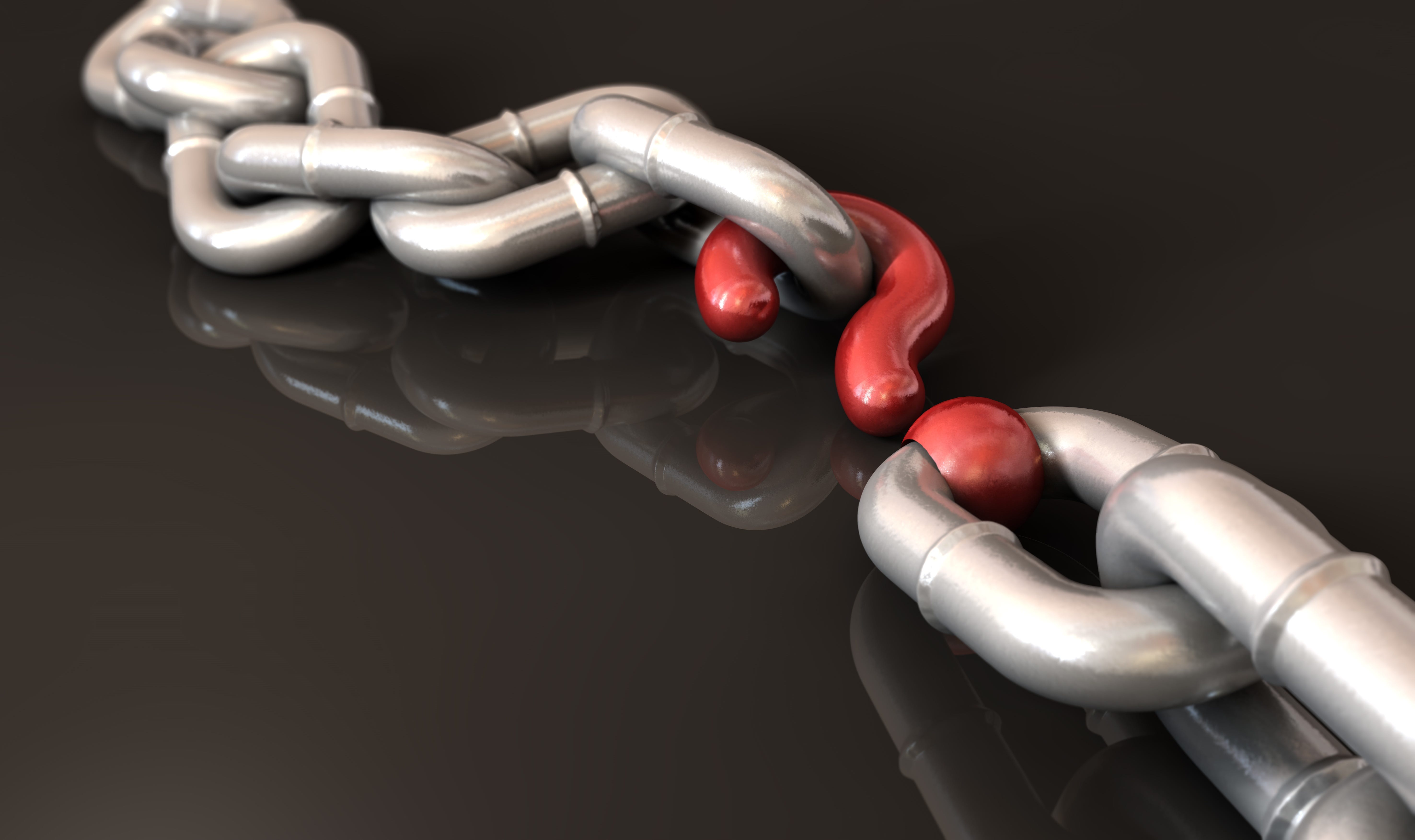
Cooper turned into the parking lot slower than usual.
Same turn. Same building. Same space waiting for him.
He pulled in and let the engine idle. The hum of his Jag was still comforting.
At least for now.
The sign on his parking space was still there.
CEO.
He had laughed at that once. Even coined a new meaning for it.
Chief Excuses Officer.
When he pulled in the first time, it had felt gratifying.
Now it just felt… empty.
He shut off the engine but didn’t reach for the door.
For the first time in a long while, he wasn’t thinking about what was waiting for him on the other side of the office doors.
He was thinking about what this had all been built for.
And that he really needed to get rid of that parking space sign.
Shirley’s office door was open.
Cooper stopped at the frame and knocked lightly.
She looked up from her desk.
“You went to see Ellis.”
He nodded. “I did.”
She studied him for a moment.
“You don’t look like you got an answer.”
“I didn’t,” he said. “I got another question.”
A faint smile. “That sounds like him.”
Cooper stepped inside and leaned against the edge of her desk.
“He asked me what I would be building now… if I knew I wouldn’t be here in ten years.”
“Not the company. Me.”
Shirley didn’t respond right away.
She just let the question settle.
“And?” she asked.
“I told him that’s not how it works,” Cooper said. “You don’t build something planning to leave it.”
“And what did he say?”
Cooper almost smiled.
“He asked if I was sure about that.”
Cooper looked out across the office.
Same people. Same work. Same place.
Something felt missing now.
“We built something that worked,” he said. “Clients came in. The team grew. We figured it out as we went.”
He paused.
“But we didn’t choose it.”
Shirley didn’t move.
“We just kept going,” he continued. “And somewhere along the way, we started acting like this was something we were always meant to keep.”
A small breath.
“I don’t think we ever saw it as a choice.”
Shirley leaned back slightly, considering that.
“The team is part of that,” she said.
Cooper nodded.
“The clients, too.”
Another nod.
“And you,” she added.
Cooper looked back out across the space.
“I think I’ve been trying to figure out how to fix this,” he said. “Or change it. Or maybe even rebuild it.”
He paused again.
“But I haven’t really looked at what’s holding it together.”
Shirley didn’t interrupt.
He continued:
“Or how much of that depends on us just… keeping it in place.”
“What happens if we stop?” she asked.
Cooper exhaled slowly.
“We find out what actually holds.”
“And what doesn’t?”
“Yes.”
Silence settled between them again.
But it wasn’t as uncertain this time.
“I think we’ve been making decisions like this won’t hold without us,” Cooper said.
He paused.
“I’m beginning to think that’s our issue. I think that it can. And that it should.”
Shirley nodded slowly.
“So what does that mean?”
Cooper didn’t look away this time.
“It means we may be deciding some things for the first time.”
Shirley let that settle.
Then, quietly:
“Then we should probably be honest about what we’re trying to keep.”
She stood, gathering her things.
“And what we’re not.”
Cooper stood up and started to leave her office.
Shirley didn’t move.
She watched him for a moment, then said quietly:
“If we didn’t choose it…”
He looked up.
“…then we’ve been asking everyone else to carry something we never defined.”
That landed harder than anything Ellis had said.
Cooper didn’t respond right away.
His eyes moved across the office again.
The team.
The work.
The movement that had never really stopped.
“We didn’t just build something for ourselves,” Shirley continued. “People built their lives around this.”
A small pause.
“So whatever we decide now…”
She held his gaze.
“… it can’t be just about what we want to do next.”
Cooper exhaled slowly.
“No,” he said. “It can’t.”
Silence settled again.
But this time, it carried weight.
“So,” Shirley said, almost evenly, “are we deciding whether this continues…”
She let that hang for just a beat.
“…or deciding what it becomes?”
That was it.
That was the question.
Cooper didn’t answer.
Not out loud.
But for the first time, he understood what the decision actually required.
Not a fix.
Not a plan.
A choice.
This time, it wouldn’t continue by default.
It would have to be chosen.
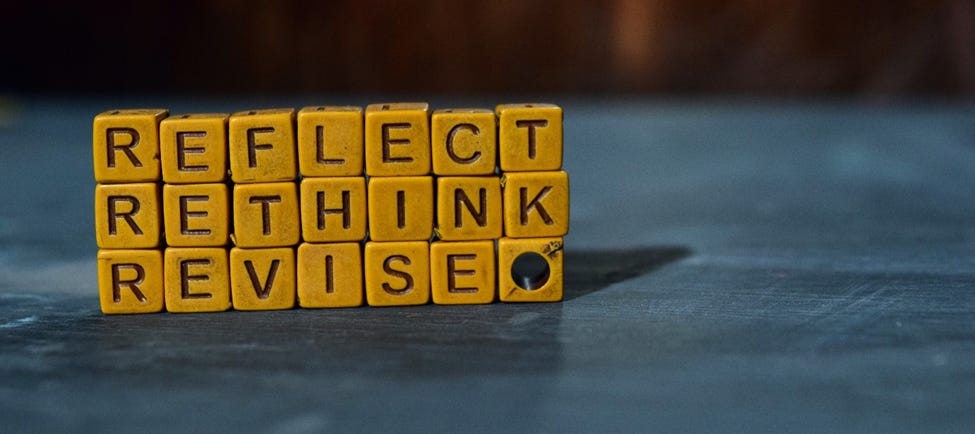
Reflections
There’s a moment in this conversation where something shifts. Not because a decision has been made, but because something that had gone unexamined is finally acknowledged.
Not everything that was continued in Cooper’s story was ever fully chosen.
And sometimes, what’s holding things together isn’t as clear—or as stable—as we’ve assumed.
Let’s look at this for us.
Where have we continued something simply because it’s working?
What have we been maintaining that we’ve never clearly chosen?
If we were deciding it today—for the first time—what might we choose differently?
Maybe it’s time to look again, not at what we’ve built, but at what we’ve been carrying forward that we never fully decided to build.
And what that means for what comes next.
If you are new to The Possibility Factor, this publication offers a behind-the-scenes look each week at the book I’m currently writing under the same working title.
Our central character is Cooper North, a business owner who is at a crossroads and learning that much of what he thought he knew isn’t giving him the answers that he needs. An unexpected mentor gives him a journal—one that isn’t offering answers, but better questions.
Note: You can find the earlier chapters and reflections collected here: The Possibility Factor.
Now, I am so intrigued. I cannot wait to read this book. sounds really fun and I know it’s going to be so fun.
It’s a pleasure meeting you today and I’m looking forward to more.
Clarity doesn’t come from fixing what exists, it comes from deciding if it should exist at all. What is it about the unexamined life, situation or .......that keeps showing up? Thank you Kathi! Great post as usual!